
Understanding Daily Wellbeing Through Natural Ingredients
Welcome to an educational resource exploring the role of natural ingredients in adult men's everyday routines. This knowledge hub provides general information about lifestyle habits, nutritional awareness, and the cultural context of wellness choices in Germany.
Educational content only. No promises of outcomes.
This website exists solely to explain concepts related to daily lifestyle nutrients and natural ingredient awareness. We do not provide personalized recommendations, medical advice, or sell any products directly.
Understanding Daily Wellbeing

Daily wellbeing represents a holistic approach to everyday life that encompasses various aspects of routine habits, nutrition awareness, and lifestyle choices. In contemporary European society, particularly in Germany, there has been growing cultural interest in understanding how natural ingredients fit into daily routines.
The concept extends beyond simple nutrition to include awareness of ingredient origins, traditional uses of natural compounds, and the broader context of wellness practices. This educational overview explores these topics from an informational perspective, without making specific recommendations or claims about individual outcomes.
Understanding the landscape of natural ingredients involves recognizing their historical use across different cultures, the diversity of approaches to daily nutrition, and the social factors that influence lifestyle choices among adult men in modern urban environments.
Natural Ingredient Background
The use of natural ingredients in daily routines has a long historical precedent across various cultures. Throughout human history, different societies have incorporated botanical compounds, minerals, and natural substances into their dietary practices.
In European contexts, including Germany, awareness of vitamins and minerals became more widespread during the 20th century, leading to increased interest in how these compounds occur naturally in foods and how they might be supplemented in modern diets.
Contemporary interest in natural ingredients reflects a broader cultural trend toward understanding the sources and composition of what people consume. This includes awareness of vitamin complexes, mineral content, botanical extracts, and other naturally occurring compounds.
From an educational standpoint, it is important to understand that natural ingredients vary widely in their composition, origin, and traditional applications. Different cultural traditions have developed distinct approaches to incorporating such ingredients into daily life.
Lifestyle Context in Germany

Germany's cultural approach to health and wellness reflects a blend of traditional practices and modern awareness. Many adults in Germany show interest in understanding the nutritional content of their daily diets and exploring natural approaches to maintaining everyday routines.
The German market for natural wellness products has grown significantly, reflecting consumer interest in transparent ingredient information and quality standards. This trend is particularly notable among adult men seeking to understand how different natural compounds fit into active lifestyles.
Urban lifestyles in German cities often involve balancing professional demands with personal wellness practices. This context has contributed to increased awareness of nutrition, exercise routines, and the role that natural ingredients might play in supporting everyday activities.
Cultural attitudes toward wellness in Germany emphasize informed decision-making, quality assurance, and a preference for products with clear ingredient information. This educational resource aims to contribute to that informed awareness without advocating for specific products or approaches.
Routine Awareness
Daily routines among adult men often involve various practices related to nutrition, physical activity, and lifestyle management. Understanding these routines from an educational perspective involves recognizing the diversity of approaches people take to organizing their everyday lives.
Morning routines might include considerations about breakfast nutrition, hydration practices, and timing of physical activities. These patterns vary widely based on individual schedules, cultural background, and personal preferences.
The concept of routine awareness encompasses understanding how different lifestyle factors interact throughout the day. This includes meal timing, work schedules, exercise patterns, and rest periods. Each person develops their own approach based on their circumstances and goals.
Educational resources on routine awareness aim to provide context about common practices without prescribing specific schedules or claiming that particular routines lead to specific outcomes. The emphasis is on understanding the variety of approaches rather than advocating for any single method.
Ingredient Categories Overview
Natural ingredients commonly discussed in wellness contexts can be broadly categorized based on their primary compounds and traditional applications. This educational overview describes these categories without making claims about their effects.
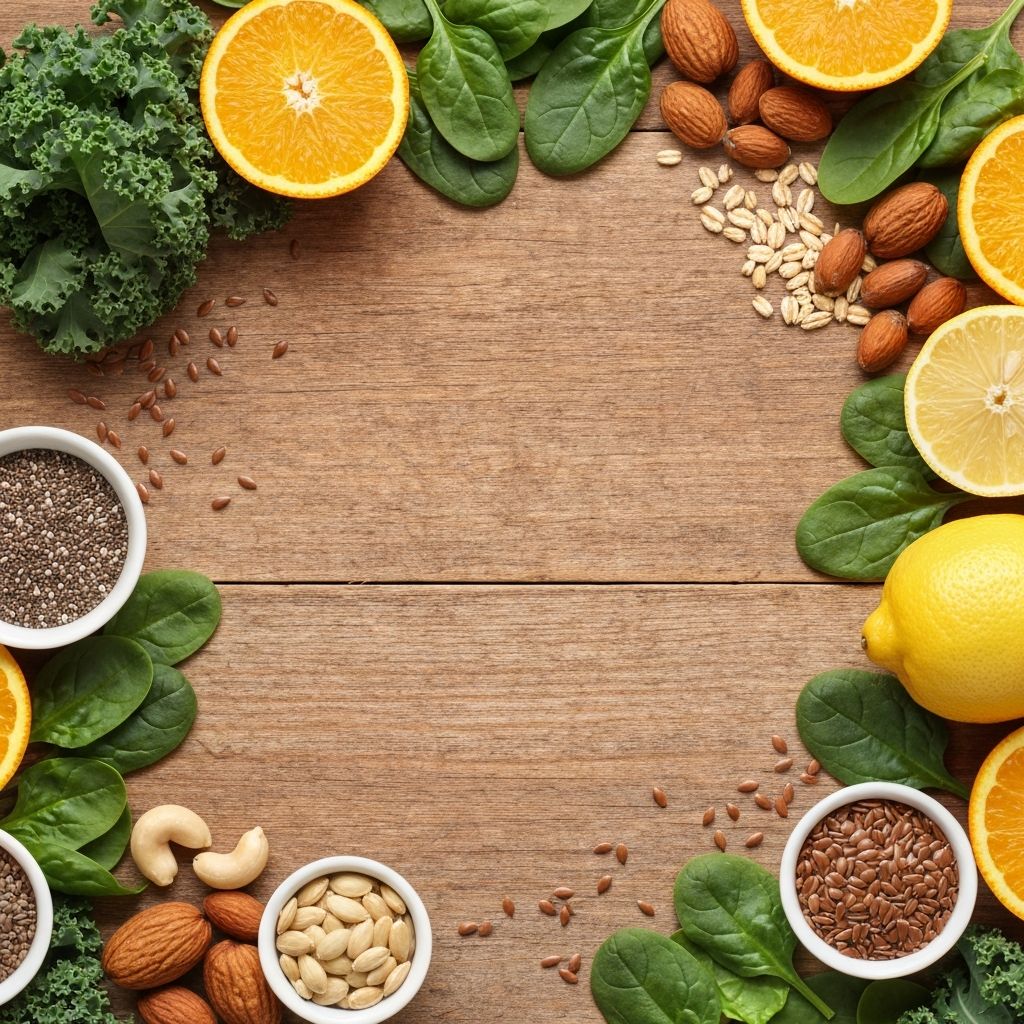
Vitamins and Minerals
Vitamins are organic compounds that occur naturally in various foods. Different vitamins serve different biological functions. Minerals are inorganic elements also found in natural food sources. Common examples include vitamin C in citrus fruits, vitamin D from sunlight exposure, and minerals like zinc and magnesium found in nuts and seeds.
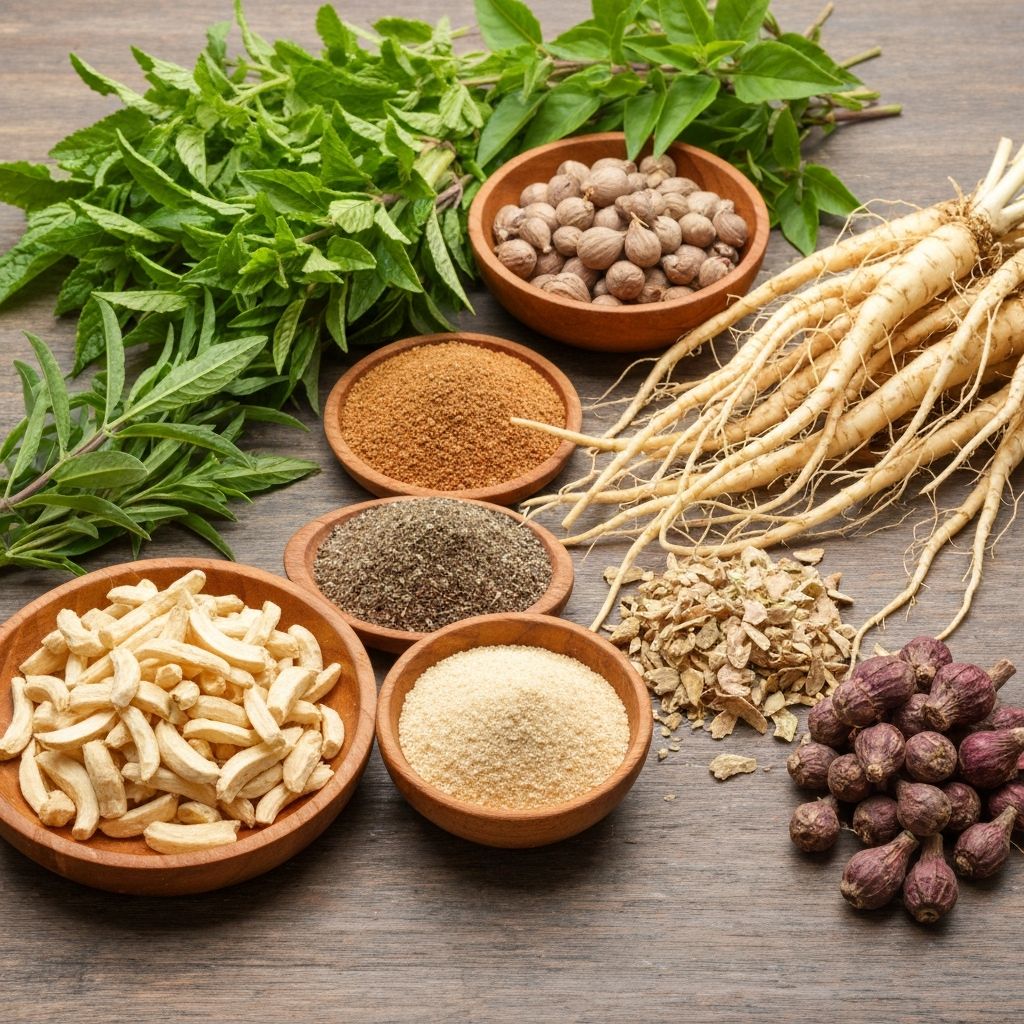
Botanical Extracts
Botanical extracts come from various plants and have been used traditionally in different cultures. These include compounds from roots, leaves, and other plant parts. Examples include ginseng, which has a long history in Asian traditional practices, and various European herbs used historically in different regional contexts.
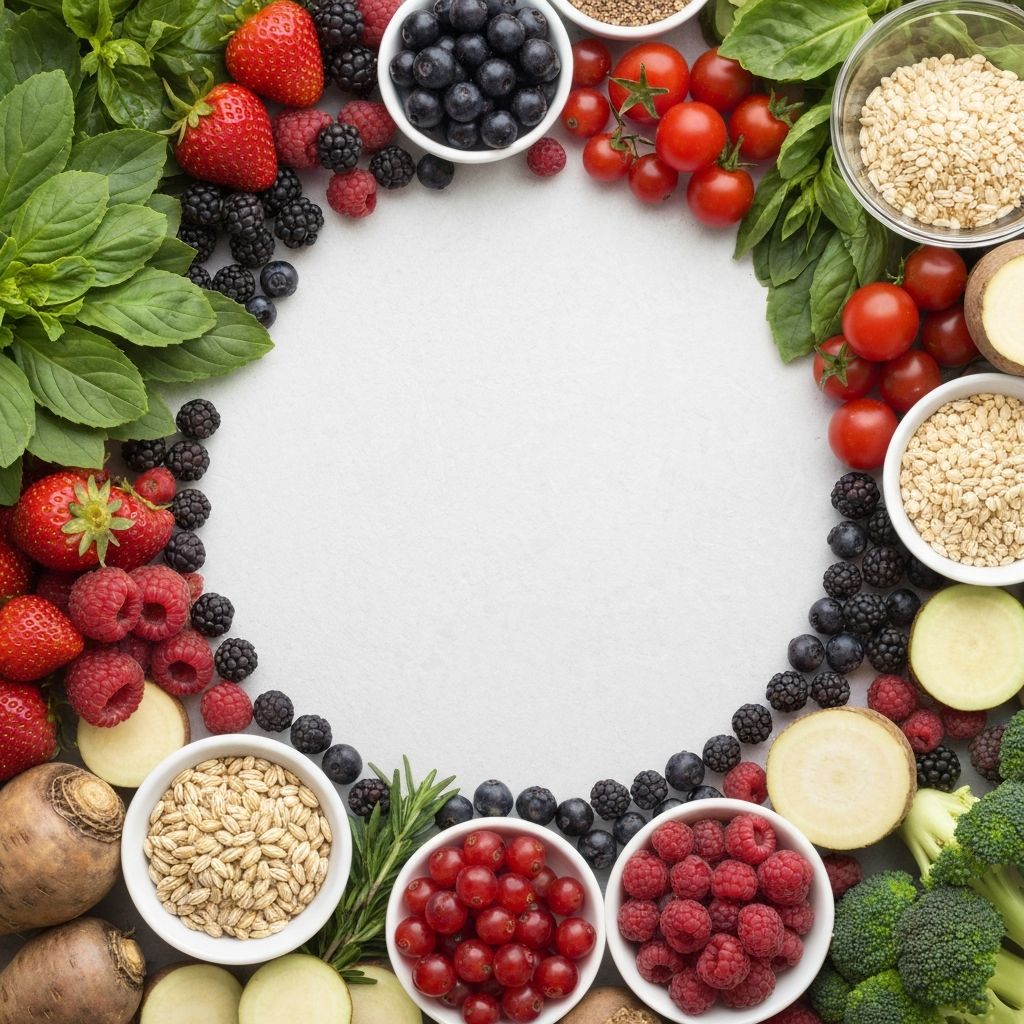
Amino Acids and Proteins
Amino acids are building blocks of proteins found in various food sources. Different foods contain different amino acid profiles. Dietary proteins come from both plant and animal sources, and awareness of protein intake is common among adults maintaining active lifestyles.
Educational Insights
Educational approaches to understanding natural ingredients emphasize the importance of context and the diversity of individual circumstances. What works as a general lifestyle pattern for one person may not suit another due to differences in routine, preferences, and individual factors.
The landscape of nutritional awareness continues to evolve as new research emerges and cultural attitudes shift. Educational resources aim to provide balanced information that helps people understand the broader context without making specific claims or promises.
In Germany and across Europe, regulatory frameworks govern how information about natural ingredients can be presented. Educational content operates within these frameworks by focusing on general knowledge rather than specific claims about outcomes or effects.
This resource encourages readers to seek diverse sources of information and to recognize that wellness decisions are personal and multifaceted. Understanding natural ingredients is one aspect of a broader approach to informed lifestyle choices.
Limitations and Context
Important Information About This Educational Resource
Informational Purpose Only: All content on this website is provided for educational and informational purposes. We explain concepts related to natural ingredients and lifestyle awareness without providing personalized advice or recommendations.
No Medical Claims: Nothing on this website constitutes medical advice, diagnosis, or treatment recommendations. We do not claim that any natural ingredient, lifestyle practice, or routine produces specific health outcomes.
Individual Variation: Responses to any dietary change, natural ingredient, or lifestyle modification vary significantly among individuals. What is discussed generally may not apply to any particular person's circumstances.
Professional Consultation: Decisions about nutrition, supplements, or lifestyle changes should be made in consultation with qualified healthcare professionals who can assess individual circumstances.
No Commercial Services: This website does not sell products, provide consultation services, or offer programs. We are an independent educational resource focused on explaining concepts and providing context.
Diverse Approaches: There are many valid approaches to daily wellness and nutrition. This resource presents general information without endorsing any particular method or claiming superiority of one approach over another.